
PCB Assembly Services from Prototype to Low-Volume Production
Five focused service paths help engineering teams coordinate early builds, controlled repeat batches, sourcing and schedule-priority work through Shenzhen manufacturing partners.
What PCB assembly services does Cyrionix support?
Cyrionix supports five connected PCB assembly service paths through Shenzhen manufacturing partners. Prototype PCB Assembly is for early engineering builds; Low-Volume PCB Assembly supports controlled repeat batches.
Turnkey PCB Assembly coordinates sourcing, fabrication and assembly across project stages. Quick-Turn PCB Assembly prioritizes schedule feasibility, while Component Sourcing supports BOM availability and approved part decisions across the lifecycle. Each project is reviewed against its files, quantity, verification needs and target schedule.
Find the service path that fits your current build
Prototype and low-volume services align to manufacturing stages. Turnkey, quick-turn and sourcing describe coordination models or support paths that can apply across those stages.
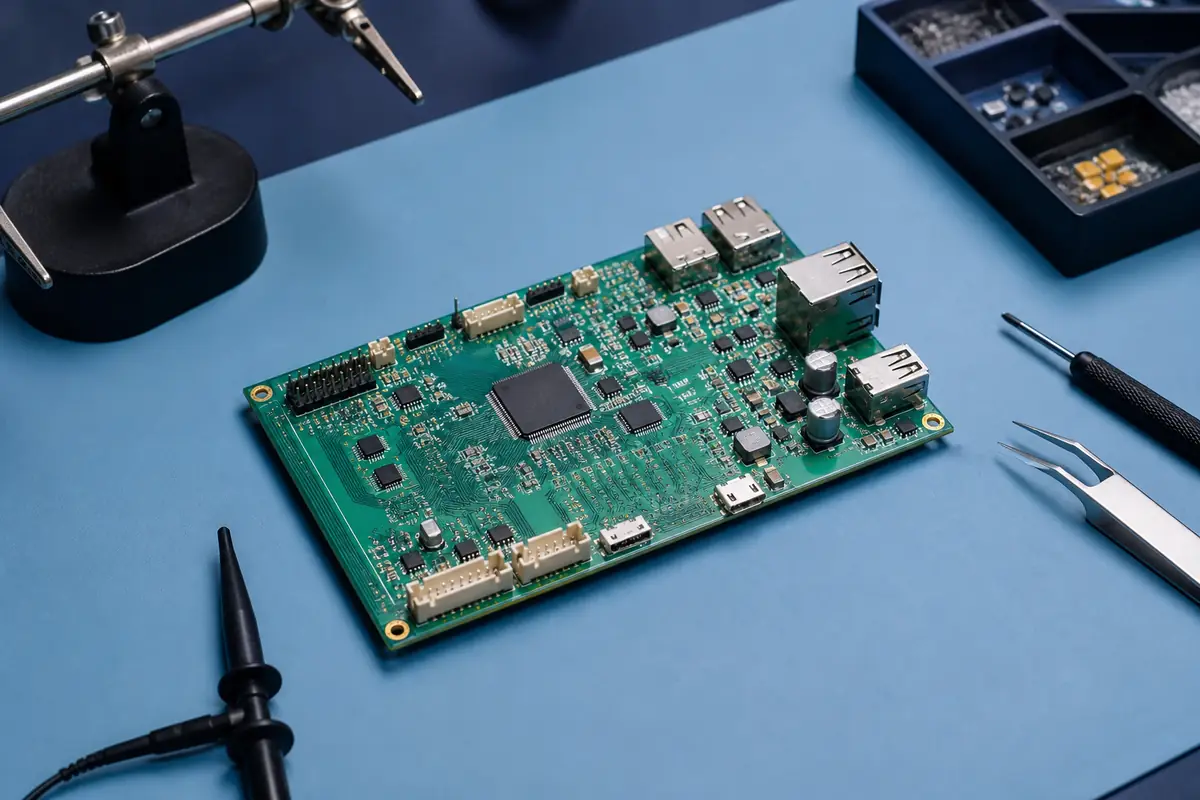
Prototype PCB Assembly
Engineering-focused assembly for design validation, functional units and manufacturing feedback.
Best fit: first builds, design revisions and verification before repeat production.
Explore Prototype PCB Assembly →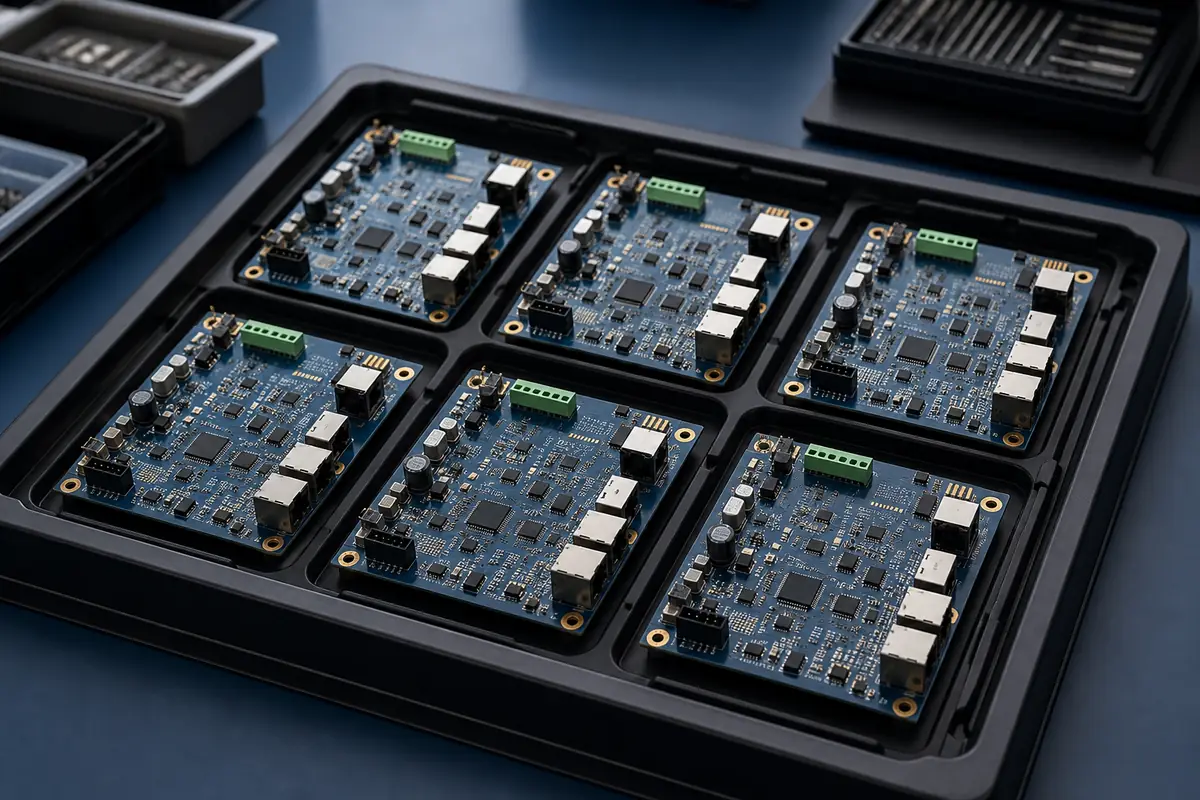
Low-Volume PCB Assembly
Controlled repeat builds for pilot runs, field use and specialist product demand.
Best fit: released revisions that need consistent small-batch coordination.
Explore Low-Volume PCB Assembly →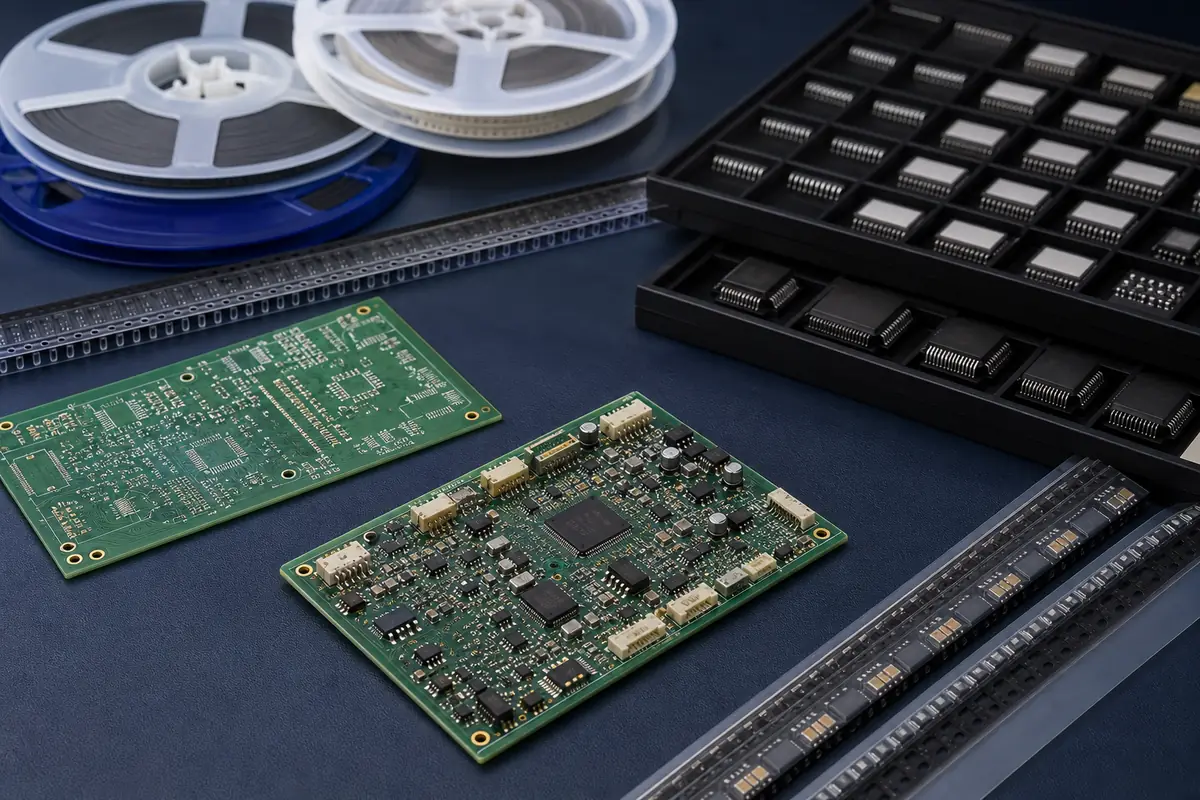
Turnkey PCB Assembly
Coordinate the agreed PCB fabrication, approved purchasing, assembly and delivery scope.
Best fit: teams that want one coordinated path across sourcing and assembly.
Explore Turnkey PCB Assembly →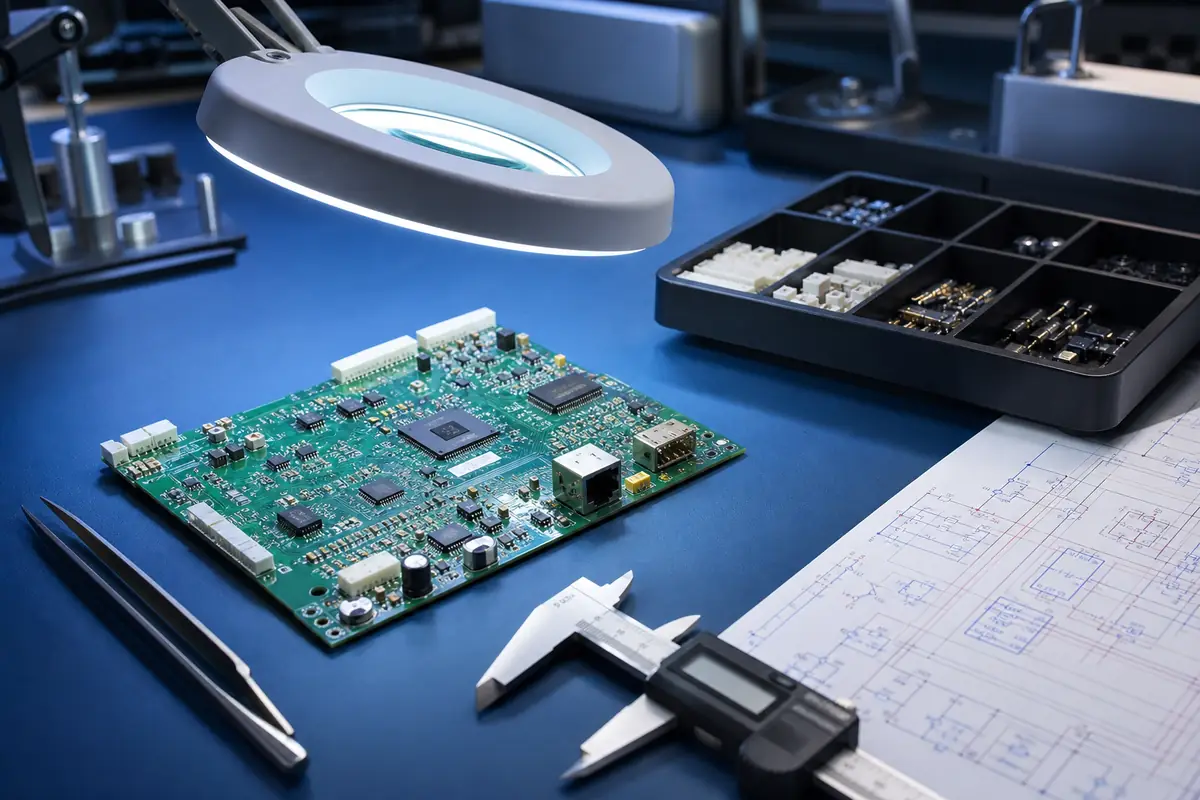
Quick-Turn PCB Assembly
Review files, material readiness, assembly and verification needs against a priority schedule.
Best fit: ready projects where schedule feasibility needs focused coordination.
Explore Quick-Turn PCB Assembly →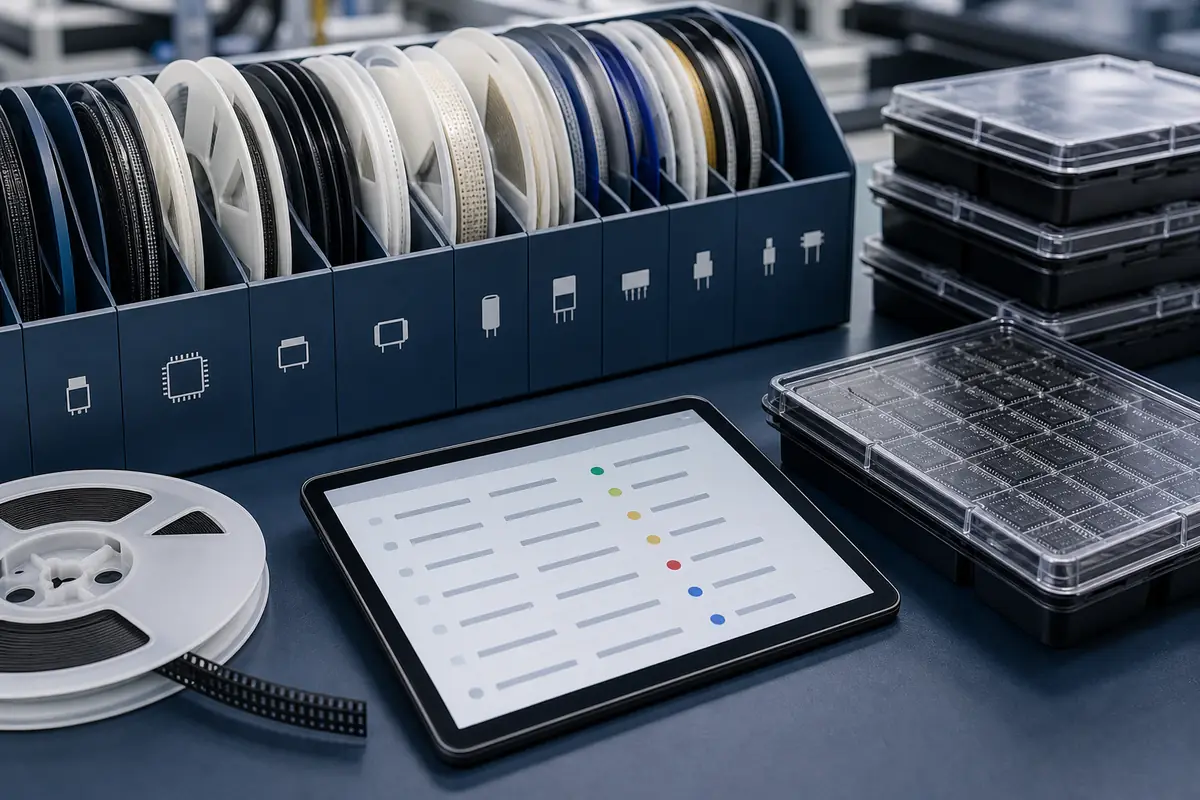
Component Sourcing
BOM review and purchasing support focused on availability, traceability and approved decisions.
Best fit: projects with BOM ambiguity, constrained parts or substitution questions.
Explore Component Sourcing →How the five services relate
The base lifecycle moves from prototype through validation and controlled production. Three other services can span that lifecycle without becoming stages themselves.
Turnkey may be used for a prototype or a repeat batch. Quick-turn changes schedule priority, not lifecycle position. Component sourcing supports any stage where approved purchasing decisions are required.
Choose the right service for your project
Start with the project need, then confirm the exact manufacturing, sourcing and verification scope during review.
| Project need | Recommended service | Best fit | Key inputs | Next step |
|---|---|---|---|---|
| First engineering build | Prototype PCB Assembly | Functional units, revisions and manufacturing feedback. | Gerbers, BOM, placement data, quantity and build notes. | Review prototype service → |
| Controlled repeat batch | Low-Volume PCB Assembly | Pilot runs, field units and specialist small-batch demand. | Released files, target quantity, revision and acceptance needs. | Review low-volume service → |
| End-to-end coordination | Turnkey PCB Assembly | A combined path for approved purchasing, fabrication and assembly. | BOM ownership, sourcing rules, files, quantity and destination. | Review turnkey service → |
| Schedule-priority project | Quick-Turn PCB Assembly | Ready files where material and process feasibility must be checked quickly. | Complete build package, target date, quantity and test scope. | Review quick-turn service → |
| BOM or availability support | Component Sourcing | Ambiguous parts, constrained supply or controlled substitution decisions. | BOM, approved manufacturers, alternates policy and quantity. | Review sourcing support → |
Manufacturing scope is matched to the project
Cyrionix coordinates with manufacturing partners and confirms relevant process, sourcing, inspection, testing and scheduling requirements against the actual project.
How Cyrionix works →- Project requirements
- Review the released data, quantity, product stage and special assembly constraints.
- Partner fit
- Coordinate an appropriate Shenzhen manufacturing partner for the documented need.
- Process scope
- Confirm the fabrication, purchasing, assembly and delivery responsibilities in context.
- Verification needs
- Align inspection, testing and acceptance expectations with customer-defined requirements.
What to send for a project review
A complete package helps surface sourcing and manufacturing questions earlier. Available information can be shared first; the exact required inputs depend on the project.
Not every item must be available for an initial conversation. Missing inputs will be identified during review rather than silently assumed.
Prepare the next manufacturing decision
Use practical guides to organize build files, distinguish lifecycle stages and understand the factors behind an assembly quotation.
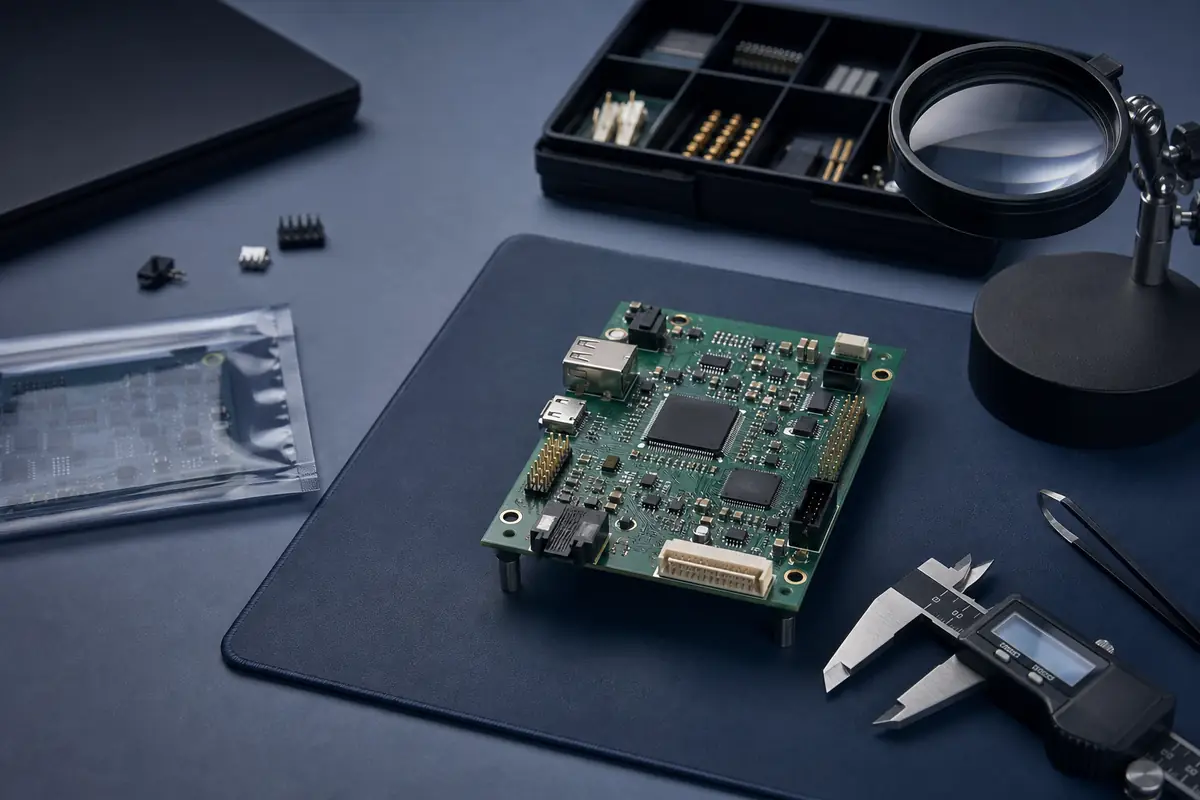
PCBA Prototyping: From Files to Assembly
A stage-by-stage path from released design data to a working prototype assembly.
Read the Prototyping Guide →Review the manufacturing scope behind the service model
Use these pages when the open question concerns production location, bare-board responsibility, assembly process or verification. For prototype, low-volume, turnkey, quick-turn and component-sourcing decisions, begin with the core service comparison above.
| Project need | Scope page | Best fit | Key inputs | Next step |
|---|---|---|---|---|
| China-based production coordination | PCB Assembly in China | Overseas teams comparing communication, approvals and delivery responsibilities. | Released files, volume, sourcing policy, destination and acceptance needs. | Review China coordination → |
| One release for board and assembly | PCB Fabrication and Assembly | Builds where stack-up, finish, panel and assembly data must stay aligned. | Fabrication data, BOM, placement data, drawings and revision identity. | Review combined scope → |
| Surface-mount process planning | SMT PCB Assembly | Prototype and low-volume boards dominated by surface-mount packages. | CPL, polarity data, package constraints, panel plan and inspection needs. | Review SMT assembly → |
| Connectors and leaded power parts | Through-Hole PCB Assembly | Mixed builds requiring manual, wave or selective soldering review. | Assembly drawings, lead and keep-out details, access and workmanship criteria. | Review through-hole scope → |
| Inspection or functional verification | PCB Assembly Testing Services | Projects that need an agreed defect target, limits and output record. | Test procedure, fixtures, firmware, limits, records and failure disposition. | Define the test scope → |
Define release and integration work around the core build
These project-specific scopes support the five core assembly services. They do not replace the lifecycle path or expand an order beyond its documented inputs, responsibilities and acceptance criteria.
- PCB DFM Review →
- Review released fabrication, BOM, placement and assembly data for inconsistencies, manufacturing questions and unresolved release decisions.
- Box Build Assembly →
- Coordinate defined PCBA, enclosure, wiring, module, programming, verification, labeling and packing requirements as a separate integration scope.
Ready to review your build package?
Share the available files, quantity, project stage, sourcing assumptions and schedule questions for a practical manufacturing review.